Our Commitment
BUILT TO LAST. BUILT RESPONSIBLY.
Responsible craftsmanship for hospitality, healthcare, and higher education.

Responsible Craftsmanship for Hospitality, Healthcare, and Higher Education.
At Fortner, sustainability is rooted in thoughtful decision making, quality materials, and furniture that is built to last. We work with designers, architects, and facilities teams to create solutions that balance performance, longevity, and environmental responsibility.
We do not overstate our approach. We focus on real practices that matter in commercial projects and help reduce waste while delivering products that perform.

Built to Last, Not to Replace
One of the most effective ways we support sustainable design is by building furniture that lasts. Long life cycles mean fewer replacements, fewer resources used, and less waste. Furniture that wears well in high-traffic environments like hospitality, education, and healthcare delivers better value and a smaller environmental footprint over time.
How We Build.
Built to last with quality construction.
Fortner designs and builds furniture to hold up in commercial spaces. Extending the product life reduces the need to replace, creating value for our customers and the environment.
Reduced waste manufacturing.
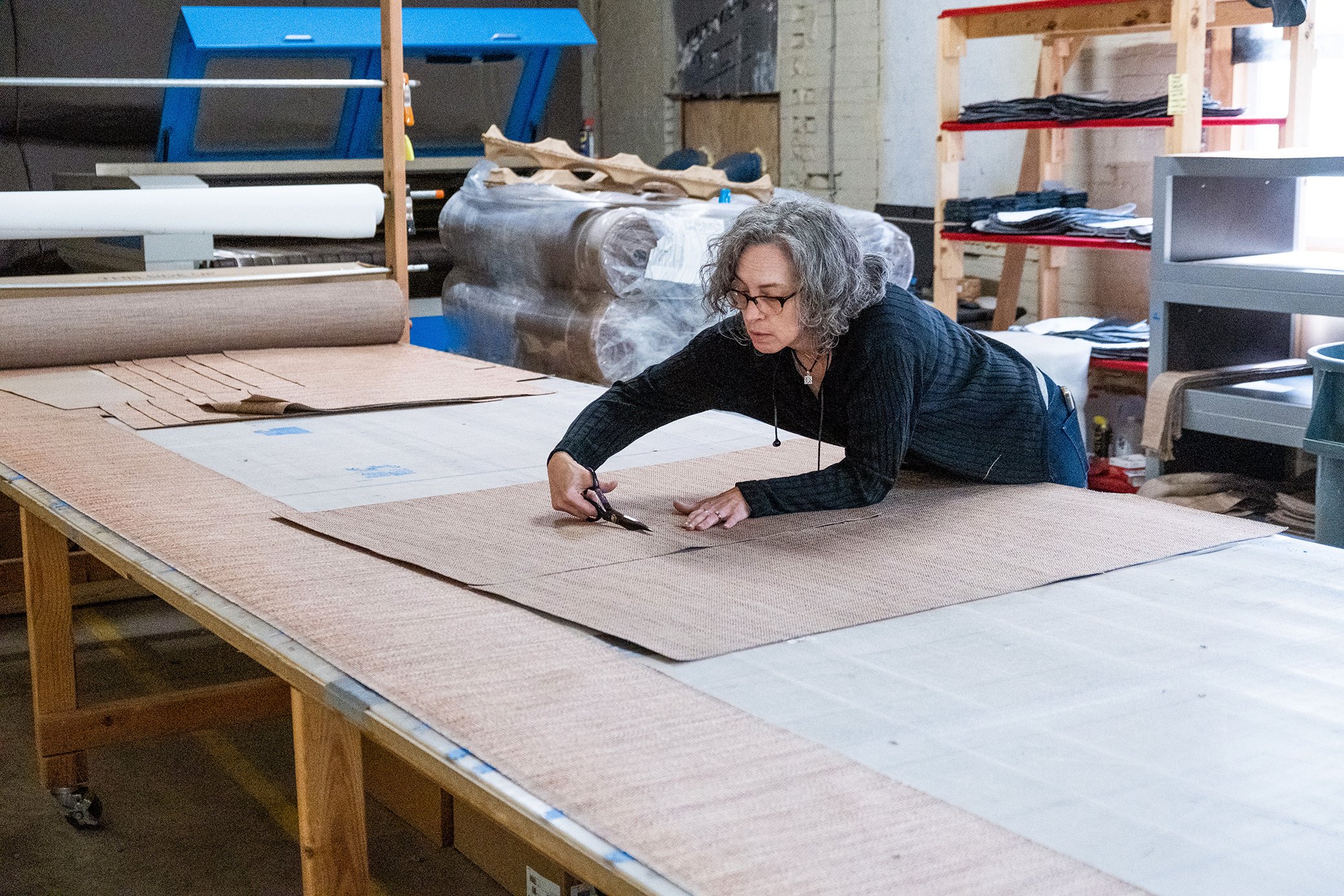
We use CNC nesting programs for wood and fabric cutting to reduce material waste at the source. Off-cuts and remnants go into recycling and reuse programs rather than the trash.
Reupholstery services for high-traffic seating.
When existing furniture reaches the end of its fabric life, the frame is often still sound. Talk to Fortner about reupholstering your existing pieces instead of building new. It costs less, generates less waste, and keeps good material out of the landfill.
Sustainability in action at Fortner
Construction materials in standard use:
Low-VOC finishes and water-based adhesives
FSC-certified woods
Construction materials available:
NAF (no added formaldehyde) woods
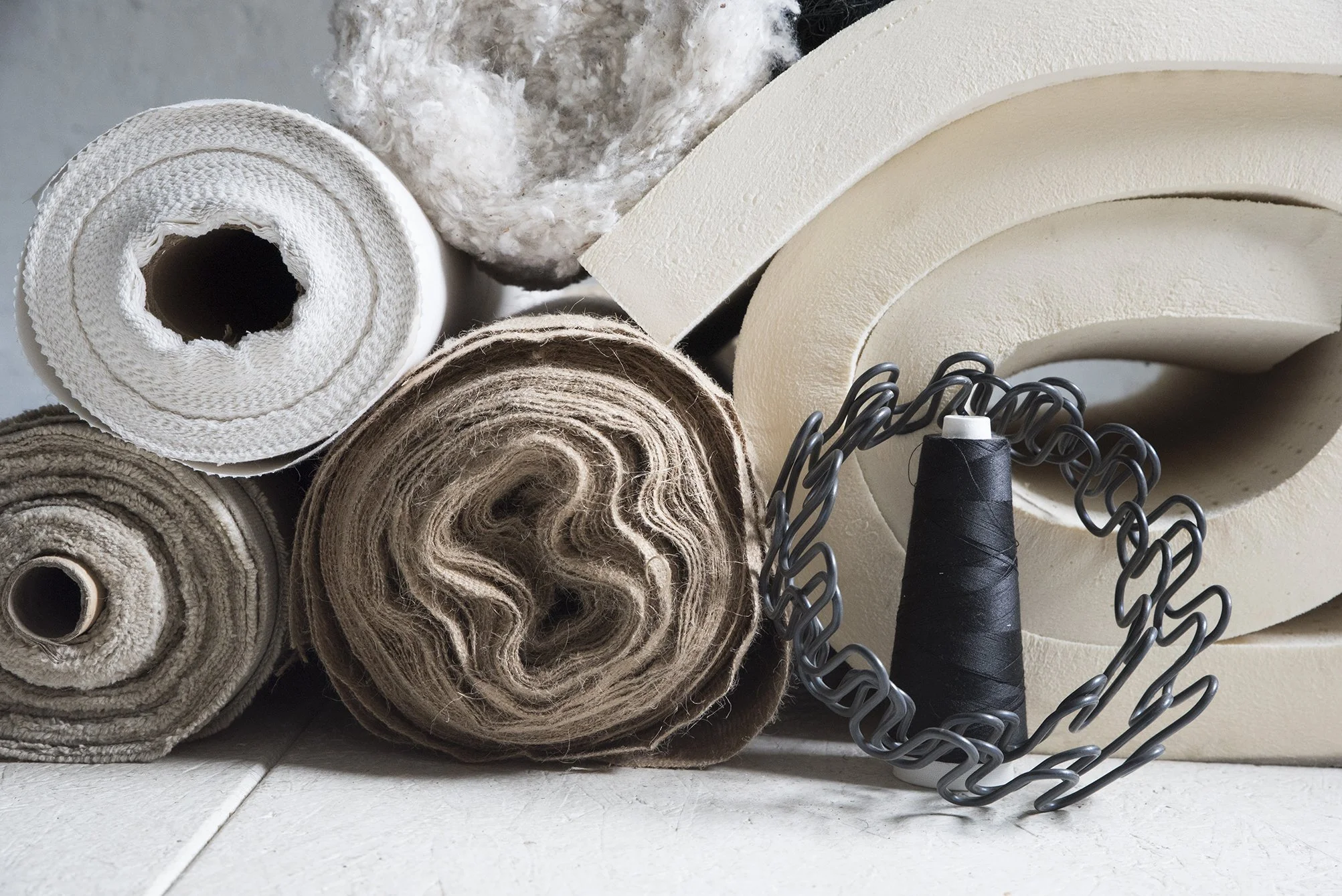
Bio-based foams
Fabric options available:
Natural fabrics
OEKO-Tex and GOTS certified textiles
PVC-free or compostable vinyl options
Tell us your sustainability parameters early in the process and we will find the right fabric for your spec and budget.
Local Manufacturing
Every piece is built in Columbus, Ohio. Local production means a shorter supply chain, lower transportation emissions, and direct accountability for how things are made. Our central location puts us within roughly 500 miles of half the U.S. population, which reduces shipping impact for most domestic projects.