
Questions to Ask Before You Order Custom Commercial Furniture
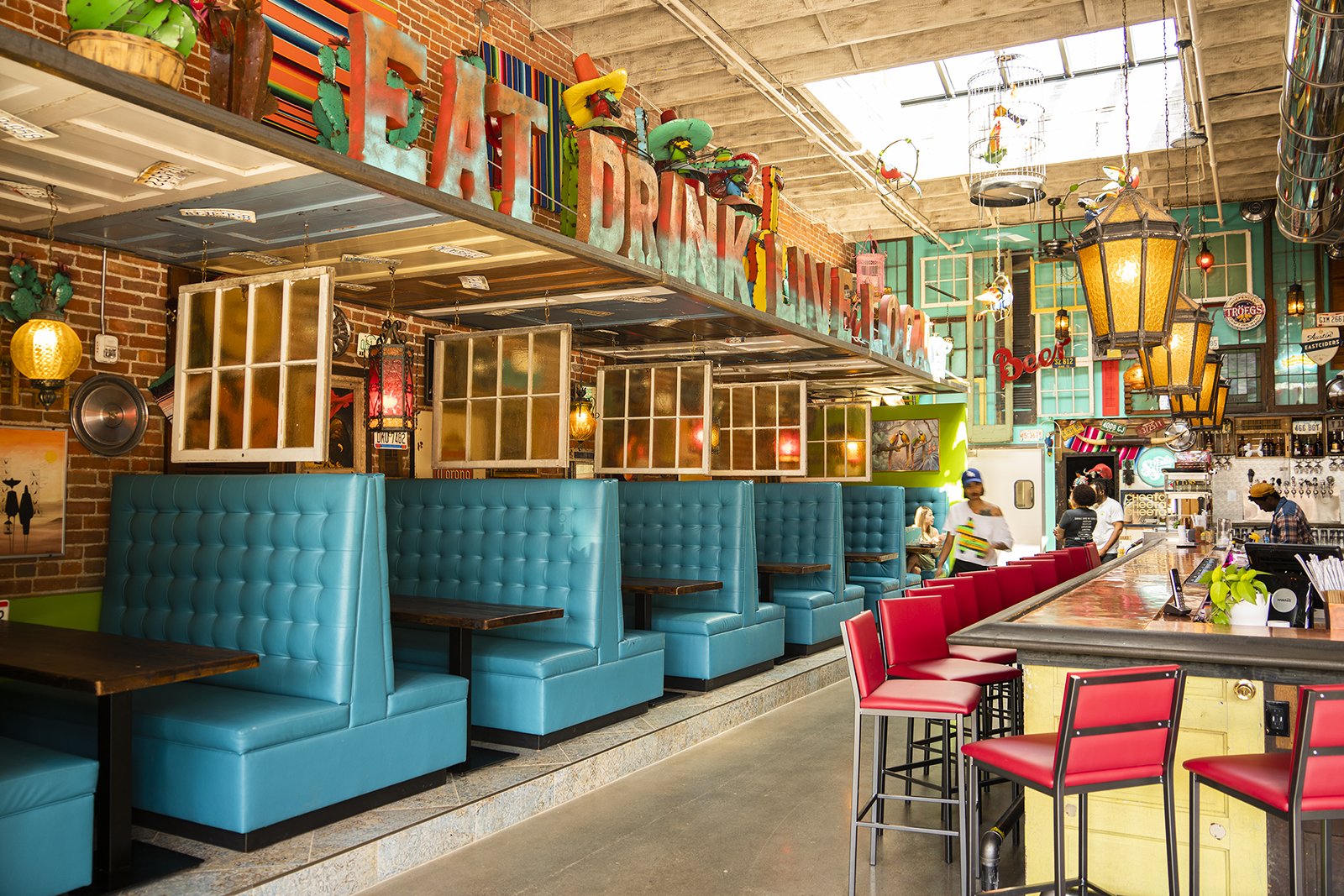
Penelope banquette, built for daily dining room use. Crafted by hand in Columbus, Ohio.
Ordering custom commercial furniture is not like buying from a catalog. There are no standard sizes to fall back on, no return policy if something doesn't fit, and no second chance if the fabric fails six months into a busy season.
The decisions you make before production starts determine everything. And the best way to protect yourself is to know what to ask before you commit.
Here are the questions that matter most, and why each one tells you something important about the manufacturer you're working with.
Where is it actually built?
This question sounds simple but the answer tells you a lot. Some companies sell custom furniture but outsource production overseas or to third-party shops. That creates distance between the person taking your order and the person building the piece.
When a manufacturer builds in-house, they control quality from frame to finish. Lead times are more predictable. Problems get caught earlier. And when something needs to be adjusted mid-production, the conversation is direct.
Fortner builds everything in Columbus, Ohio. Always has, since 1929. We are not a middleman.
How long have you been doing this for commercial environments specifically?
Commercial furniture is a different discipline than residential. The construction standards are different. The fabric specs are different. The way pieces need to hold up under daily use by hundreds of people is nothing like furniture built for a home.
A manufacturer with deep commercial experience will ask you questions about your environment before recommending anything. If they don't ask about traffic levels, cleaning protocols, or how the space gets used, that's a sign they may not be thinking about long-term performance.
Experience in commercial work shows up in the questions a manufacturer asks, not just the portfolio they show you.
Can you build to the actual dimensions of my space?
Odd corners, curved walls, low ceilings, tight delivery access, irregular floor plans, all of these are normal in commercial spaces. A real custom shop treats them as part of the project, not as complications.
Ask specifically: can you build a curved run of banquette to match this wall radius? Can you build a piece that needs to be brought in through a 36-inch door and assembled on site? The answers will tell you quickly whether you're talking to a true custom manufacturer or someone who customizes within a narrow set of standard parameters.

Custom curved banquette seating built for a high-traffic commercial space. Made in Columbus, Ohio.
What does your lead time actually look like right now?
Lead times are one of the most common sources of friction in commercial furniture projects. Manufacturers quote optimistic timelines and projects get pushed back. That's expensive when it's tied to an opening date or a renovation schedule.
Ask for the current lead time, not an average. Ask what can delay it. Ask what happens if production runs long. A manufacturer who has thought through this will give you a straight answer and flag the variables upfront.
If you're working with a tight timeline, ask whether any pieces can come from a quick-ship program while the full custom order is in production. That conversation is worth having early.
How do you handle material selection for my specific environment?
The fabric and foam that go into a piece should be chosen for where it's going, not just what looks good in a sample book. A hotel lobby chair has different demands than a restaurant banquette. A coffee shop sees different cleaning products than a senior living dining room.
A manufacturer who knows commercial work will ask about your environment before recommending materials. They should be steering you toward options that perform in your specific conditions, not just showing you what's popular right now.
If you feel like you're being handed a fabric book without any context, push back. Ask what they would spec for a space like yours and why.
What does the relationship look like after delivery?
Delivery is not the end of the project. Pieces may need touch-ups after installation. Fabric wears out and needs to be refreshed down the road. A second location opens and needs matching seating. A rebrand changes the color direction.
Ask whether the manufacturer keeps production records on file. Ask whether they can match the original spec on a future order. Ask whether they do reupholstery on pieces they built, and whether they can reupholster pieces they didn't build.
The answer tells you whether you're buying furniture from a vendor or building a relationship with a production partner. For a single location, the difference may not matter much. For a growing brand, it matters a lot.
Can I see work you've done in a similar environment?
Portfolio review is standard. But push past the photos. Ask to see work done in spaces with similar traffic levels and use cases. A manufacturer who has built banquette seating for a boutique hotel is not automatically the right fit for a fast-casual restaurant chain that turns 300 covers a day.
Ask who they've worked with and what those projects required. Ask if you can speak with a past client. A manufacturer with real commercial experience won't hesitate.
Why Fortner is Your Partner
Fortner builds custom commercial seating at scale for multi-location hospitality brands, retail concepts, coffee shops, and commercial developers. Based in Columbus, Ohio. If you're planning a rollout, the earlier we're in the conversation, the better the outcome.
Start a Project
Explore the Fortner Furniture Collection
Contact us today to refresh your space.